Hospitality & Investment
Off-Market Hotel Investment in the Aristocratic Palazzi of the Mediterranean
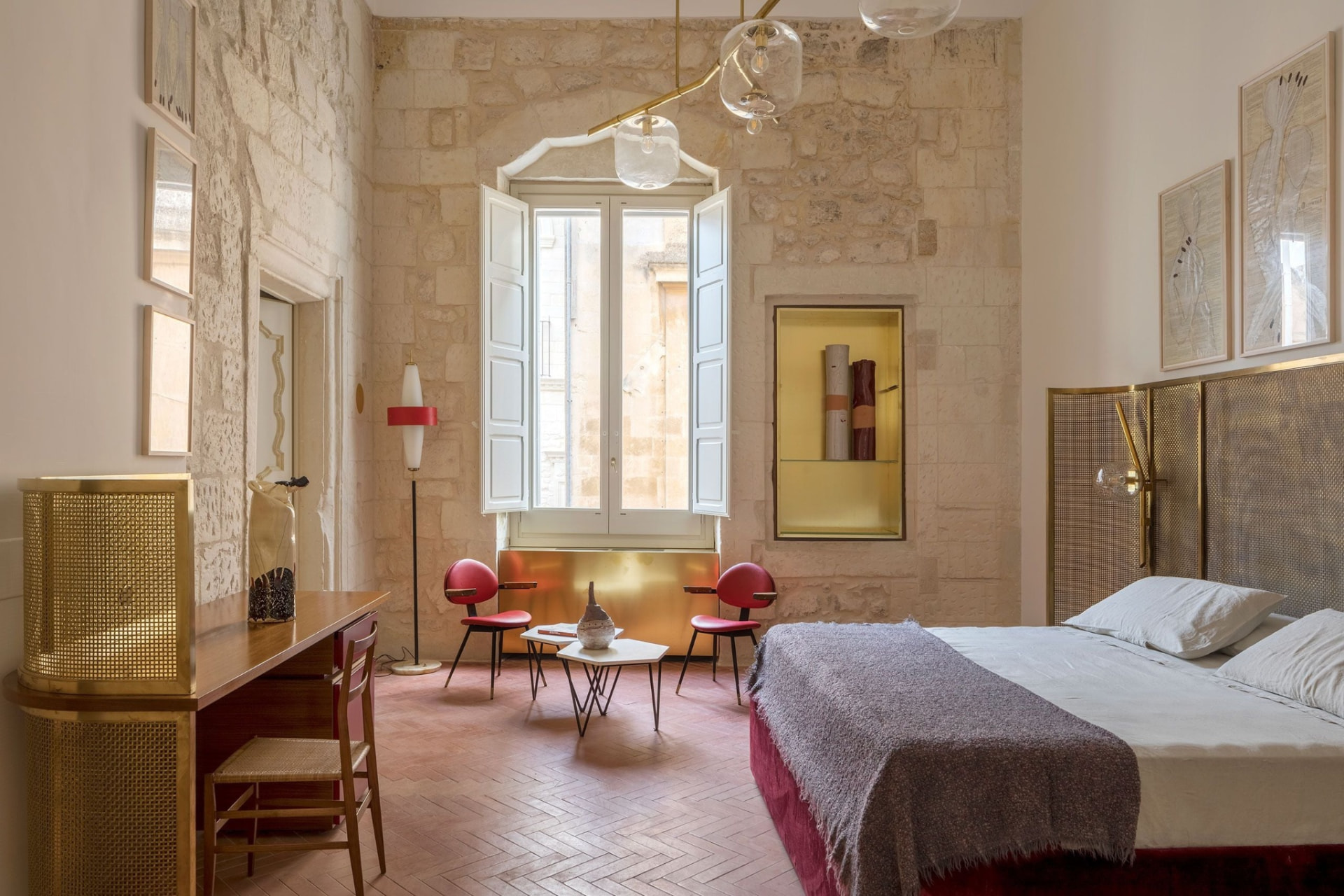
Contemporary properties often compete on services and brand; a properly converted aristocratic palazzo competes instead on atmosphere, uniqueness and architectural memory.
2 September 2025 · 4 min read
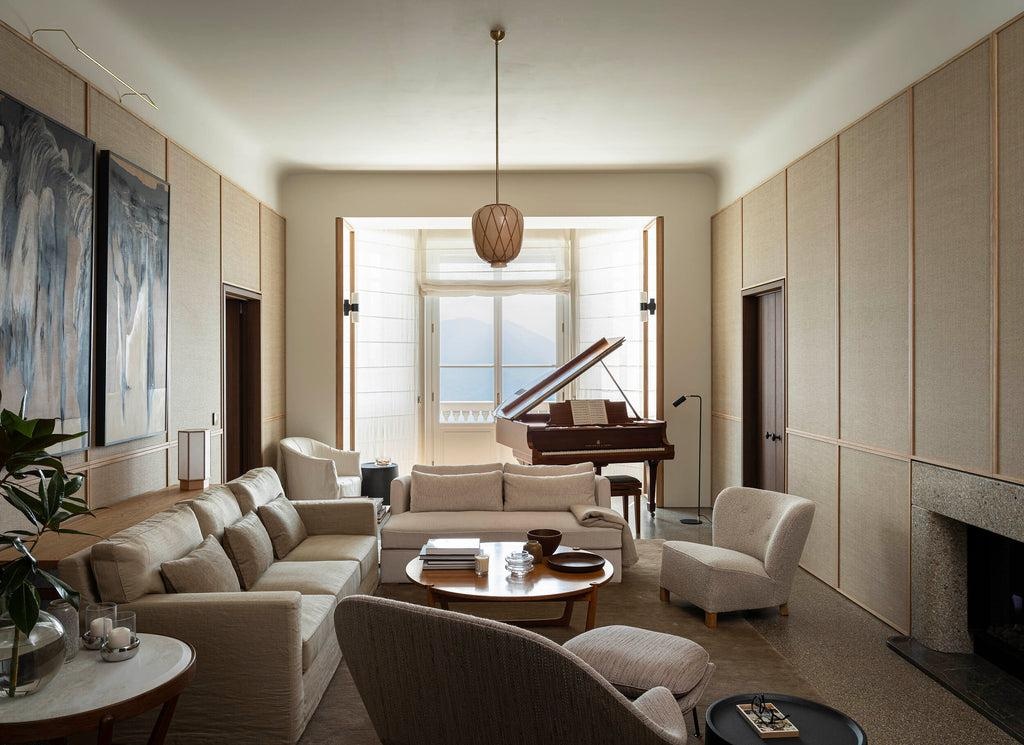
When a historic palazzo becomes a sustainable hotel investment
International hospitality long favoured relatively standardised models: large properties, branded hotels, replicable formats and increasingly uniform experiences. A more sophisticated part of the market is now moving towards non-standardised experiences, architectural identity and a stronger relationship with territory and the history of the great families that shaped Mediterranean cities. Aristocratic palazzi are therefore returning to the attention of investors, family offices and international hospitality operators because of their potential to combine patrimonial value, operating income and international positioning.
Converting a historic Mediterranean palazzo into a hospitality property is fundamentally different from conventional hotel development. Economic sustainability depends on a delicate combination of size, location, urban context, heritage and administrative constraints, international positioning and the ability to generate prospective income and profit. A common mistake is to apply the quantitative logic of standard hotels to heritage assets. In heritage luxury, value does not necessarily derive from the absolute number of rooms, but from the ability to create a highly distinctive and emotionally memorable property capable of supporting premium pricing.
Scale, spaces and positioning
In many Mediterranean cities, a historic palazzo capable of accommodating approximately 18 to 40 rooms may already achieve an attractive operating balance when positioned as boutique luxury, experiential hospitality or private heritage accommodation. The ideal size depends on the urban context and the quality of common areas. Large suites, historic salons, terraces, internal courtyards and rooftops can have a greater impact on profitability than simply increasing room count.
Renovation costs and hidden complexity
The critical variable is usually the cost of rehabilitation. A historic palazzo may require structural consolidation, complete services replacement, conservation work, seismic interventions and only then the redistribution of internal spaces. Costs vary enormously according to condition, architectural restrictions and technical complexity. The source analysis places high-end works in many Italian, Spanish and Greek locations in an indicative range of €2,000 to €4,000 per square metre, with materially higher peaks for complex or monumental buildings. In heritage projects, however, final value cannot be assessed through construction cost alone. A substantial part of the investment concerns the future positioning and international reputation of the asset.
Rates, occupancy and operating model
Pricing in Mediterranean heritage hospitality depends heavily on perceived differentiation. Contemporary hotels often compete on services and brand; a successfully converted aristocratic palazzo competes on atmosphere, uniqueness and architectural memory. This can allow relatively small properties to achieve high Average Daily Rates. The source analysis indicates that well-positioned heritage boutique hotels in culturally strong secondary Mediterranean cities may achieve ADRs of approximately €350–€900 and stabilised annual occupancy of around 58%–75%, depending on location, concept and execution.
Returns and value creation
The source document also presents an indicative mature EBITDA margin of approximately 25%–38% for an efficiently operated, well-positioned Mediterranean heritage boutique hotel, while noting that outcomes depend materially on acquisition basis, execution and financing. Without leverage, the investment thesis naturally places greater emphasis on capital preservation, property appreciation and long-term stability. Moderate leverage can increase returns on equity but also changes the risk profile of what remains a patrimonial, reputational and generational investment.
A central element is the potential increase in asset value after repositioning. Many Mediterranean aristocratic palazzi are underused and lack an economic function. Hospitality conversion can change the perception of the property, improving income generation, future liquidity, international visibility and reputation. In particularly successful cases, final value may materially exceed the combined initial acquisition and recovery investment.
Mediterranean cities to watch
The Mediterranean contains a number of geographies that remain relatively underrepresented in international hospitality capital. Opportunities may emerge not only in fully mature destinations but in cities with strong historic heritage and growing international visibility. The source identifies Palermo, Catania, Syracuse, Lecce, Cagliari, Valencia, Málaga, Thessaloniki and selected Croatian coastal cities as examples attracting interest in heritage hospitality. Their appeal lies in the combination of comparatively accessible property values, strong cultural identity and repositioning potential. The objective is a return to hospitality built around identity, atmosphere, authenticity and memory — while still capable of producing meaningful long-term economic returns.
Whisper Property note — A growing number of off-market property opportunities across Europe and the Mediterranean are handled privately through selected networks and confidential presentations.