Hospitality & Investment
Transforming a Historic Apartment into a New-Generation Hospitality Concept
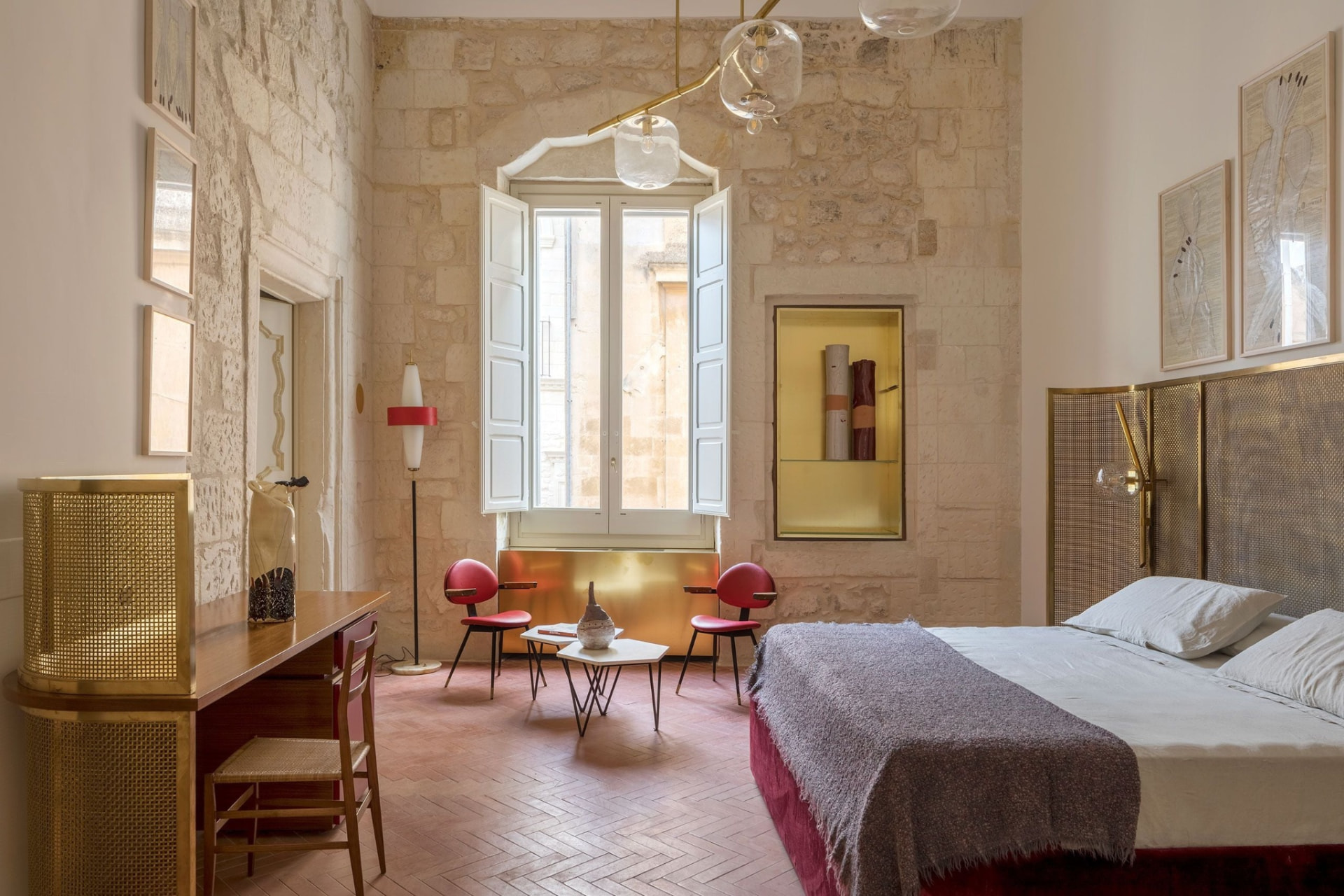
The concept is a highly distinctive boutique guesthouse composed of suites and upper-mid/high-end rooms designed to preserve the original character of the apartment.
19 August 2025 · 3 min read
A different use for historic residential property
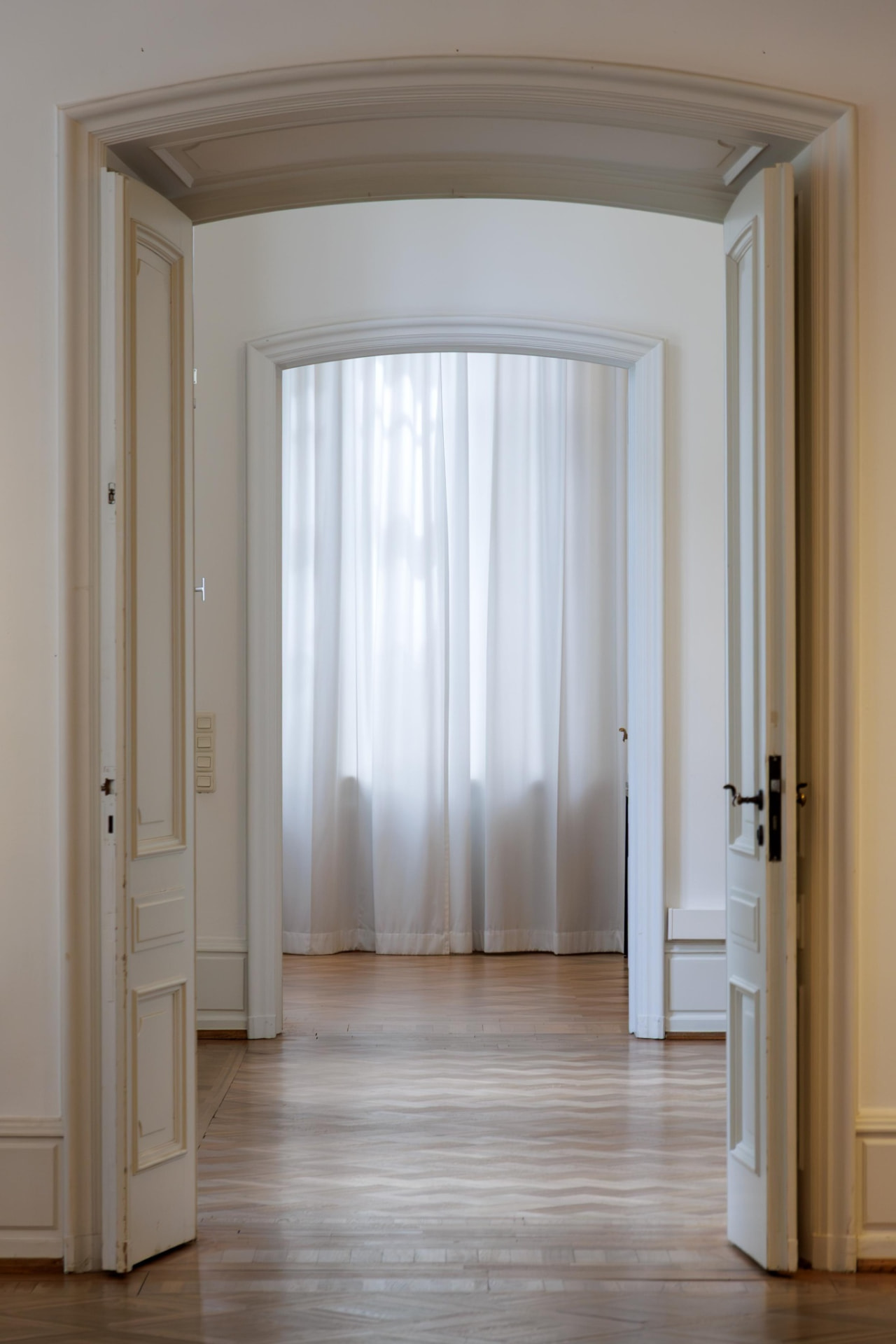
Large historic apartments in European city centres can occupy an ambiguous position in the contemporary market. Their scale, layout, maintenance requirements and restoration costs can make conventional residential use difficult, while their architectural qualities may be too distinctive to justify a standardised commercial conversion. In selected cases, new-generation hospitality can offer an intelligent form of patrimonial reactivation: a use capable of preserving identity while creating an economic function.
Not a traditional hotel
The most interesting aspect of the concept is not simply the conversion of a residence into accommodation. The objective is not a conventional hotel model, but a boutique guesthouse of strong identity, composed of suites and upper-mid/high-end rooms that retain the apartment's original character. The design principle is precise: preserve atmospheric quality and avoid turning the property into an anonymous hospitality container. The most distinguished rooms can become premium units; a luxury suite can function as the iconic product; terraces and common spaces can have a relational rather than purely functional role; and the breakfast room can be conceived as a contemporary salon rather than a standard hotel space. In contemporary luxury, value comes not only from technical quality but from the ability to preserve identity.
Experiential hospitality and sense of place
The relationship between historic architecture and experiential hospitality is central. Rooms should not be treated as interchangeable units but as spaces with individual personalities: an emblematic luxury suite; quieter rooms oriented towards a terrace; and deluxe rooms balancing historic elegance with contemporary comfort. This is the type of hospitality increasingly associated with the cultural buyer: not standardised luxury, but an authentic relationship with place.
Palermo and Sicily as a context
The source case considers Palermo and Sicily particularly relevant because the region is undergoing progressive cultural and tourism internationalisation while retaining strong urban authenticity, comparatively accessible property values and a high degree of architectural identity. These qualities can create growing international appeal for small, distinctive hospitality concepts.
Economic sustainability of the case
The source case estimates the acquisition of the apartment in its existing condition at approximately €480,000 and the complete recovery and fit-out investment at approximately €210,000–€265,000. These figures belong to the specific illustrative project analysed in the Italian source and should therefore be treated as case-specific rather than as general market benchmarks. The underlying investment logic is to combine acquisition at a sustainable basis, sensitive restoration, a limited number of differentiated rooms and a pricing model supported by architectural character and experience.
A model of patrimonial reactivation
The broader significance of the concept lies in its ability to give a new economic function to historic residential property without erasing its original identity. A successful project should not imitate a conventional hotel. It should use architecture, memory, atmosphere and a strong sense of place as the basis of the hospitality proposition. In this model, restoration and commercial repositioning are not opposing forces: they can become complementary parts of a single strategy for preserving and reactivating historic property.
Whisper Property note — A growing number of off-market property opportunities across Europe and the Mediterranean are handled privately through selected networks and confidential presentations.
EDITORIAL TAXONOMY
Core tags
Off-Market Real Estate • Mediterranean Heritage • Quiet Luxury • Trophy Assets • Private Real Estate • Heritage Properties • Luxury Hospitality • Private Market • Cultural Buyer • Discreet Investments
Secondary tags
Boutique Hospitality • Historic Residences • Mediterranean Lifestyle • Hospitality Conversion • Family Offices • Heritage Hospitality • Architectural Identity • Luxury Residences • Experiential Hospitality • Independent Residences
Geographical tags
Sicily • Southern Italy • Mediterranean • Italian Heritage • European Heritage
Journal category mapping
Private Property Markets — Articles 1, 7, 8, 9
Architecture & Place — Article 2
Hospitality & Investment — Articles 4, 11, 12
Private Market Perspectives — Articles 3, 5, 6, 10
Featured Article — Article 1: The End of Mass-Market Luxury Real Estate: Why the Most Interesting Properties No Longer Reach the Portals