Private Property Markets
Invisible Trophy Assets: Why Many Extraordinary Properties Remain Outside the Public Market
A growing number of contemporary HNWIs and UHNWIs are no longer looking for iconic properties in the traditional sense, but for a less spectacular and less ostentatious form of rarity.
28 October 2025 · 2 min read
What really defines a trophy asset
In international financial and property language, the expression trophy asset is often applied to almost any high-value property, partly emptying the term of its more authentic meaning. A genuine trophy asset is not simply an expensive building. Economic value is only one component. What truly defines it is irreproducibility: a unique location, historic value, architectural identity emblematic of a particular period, scarcity of comparable buildings and the ability to remain desirable across changing tastes and generations.
Rarity without spectacle
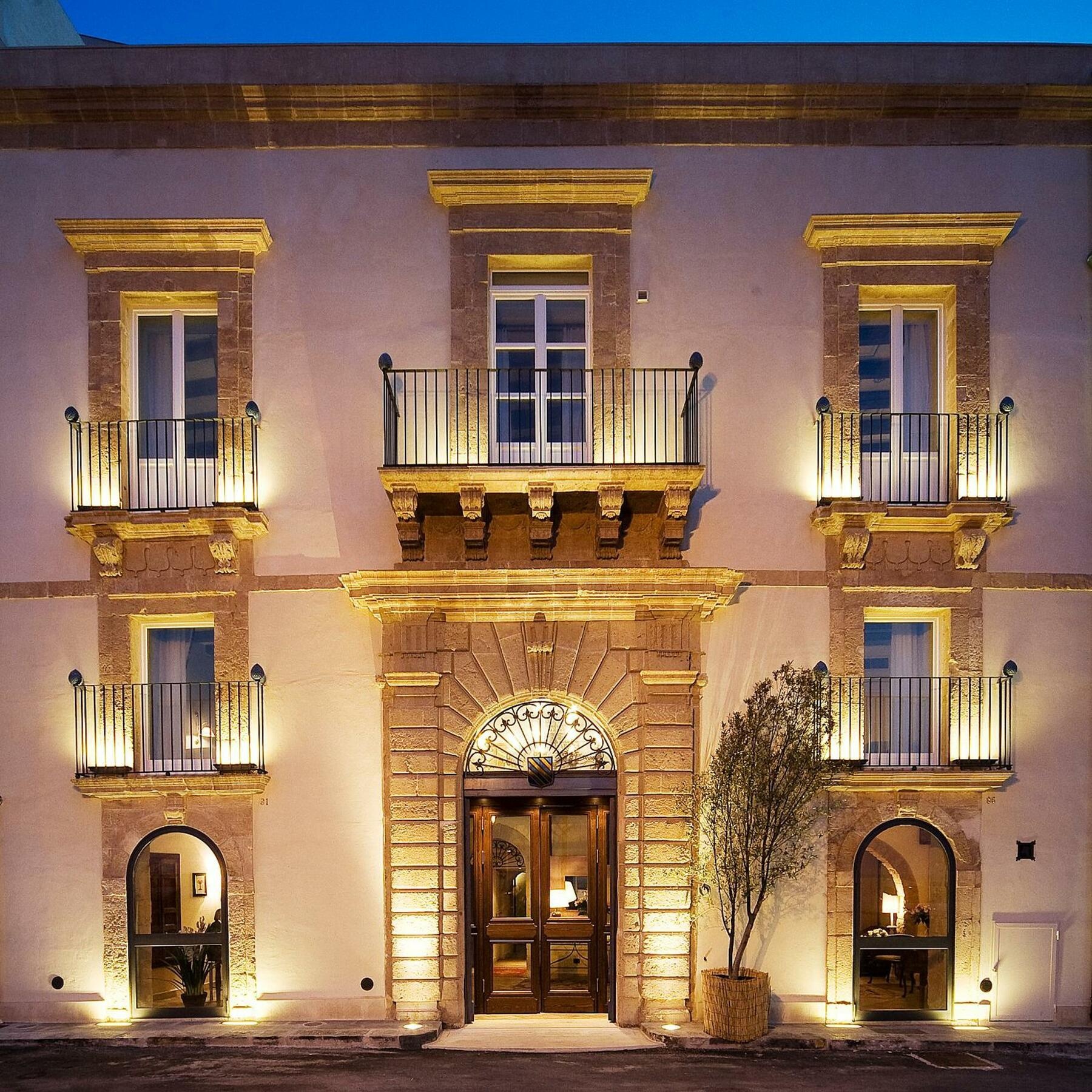
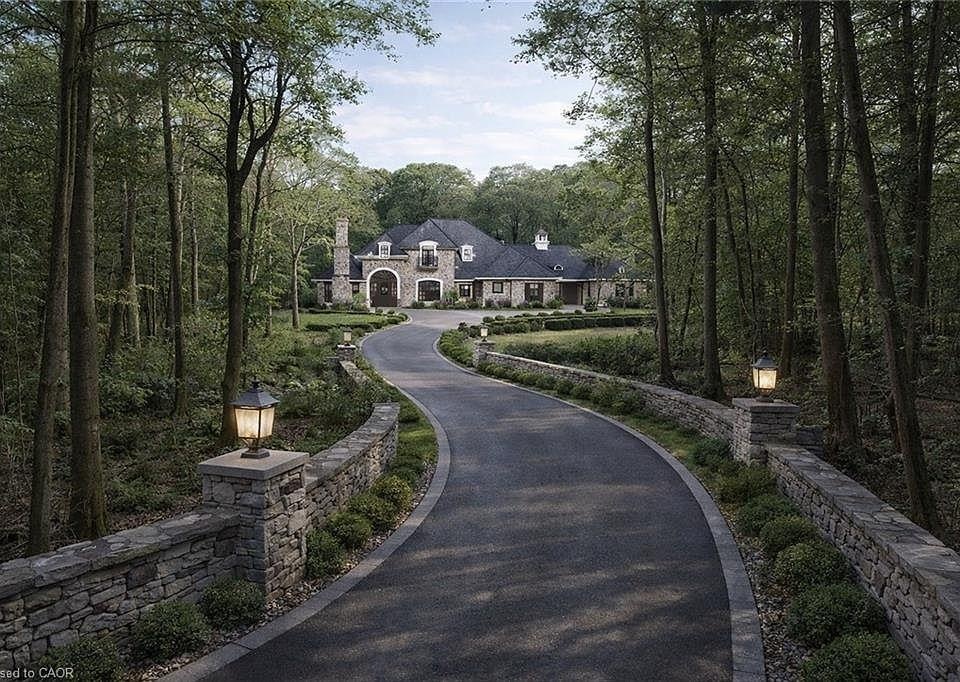
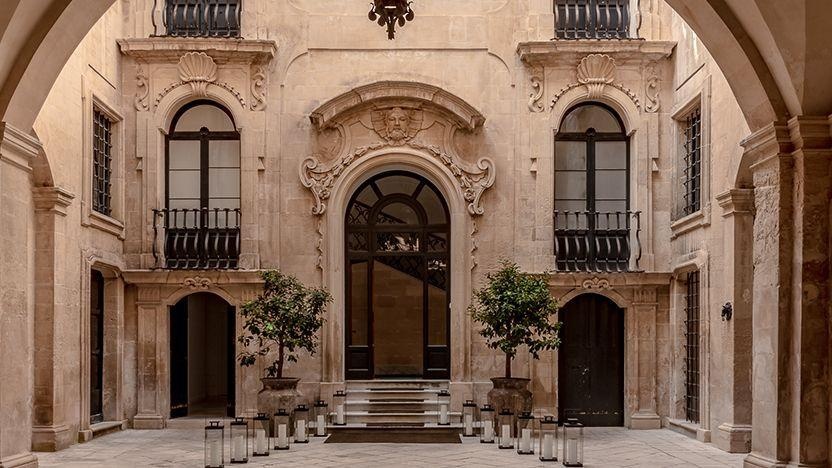
The most sophisticated trophy assets are not necessarily the largest or most conspicuous. They may possess an almost natural discretion: a Mediterranean villa overlooking an unurbanised coastline, an aristocratic palazzo still connected to its family history, or a heritage property with an authentic relationship to landscape. Such properties can be far rarer than more spectacular and expensive residences that are nevertheless replaceable. The uniqueness of a trophy asset lies in the impossibility of reproducing its context.
Why trophy assets stay private
This is one reason many extraordinary properties remain outside the public market. In the trophy segment, excessive exposure can reduce the intensity and symbolic value of the asset. Simultaneous publication across multiple platforms, continuous photographic exposure and the transformation of a property into digital content can weaken the perception of rarity that forms part of its prestige. For some owners, placing a historic residence or family property inside a continuous stream of public listings is culturally inconsistent with the nature of the asset. The issue concerns not only privacy, but the patrimonial dimension of family memory, territorial identity, architecture and history.
The contemporary trophy buyer
The buyer is changing too. A growing share of HNWIs and UHNWIs is seeking a different form of rarity: less spectacular, less ostentatious and more relationship-driven. The contemporary trophy asset is shifting from the largest and most visible to the most difficult to replace and the most exclusive. This helps explain renewed international interest in the historic Mediterranean. Properties in Sicily, Puglia, Tuscany, Greece, quieter Balearic locations and selected European coastlines combine cultural heritage, landscape, architectural authenticity and atmospheric quality in ways the global market struggles to reproduce artificially.
A relationship before a transaction
International capital is increasingly moving through selective relationship networks. Family offices, boutique advisory firms, international architects, hospitality operators and wealth advisers play a growing role in the private circulation of these opportunities. The most sophisticated assets are often not formally put up for sale; they are shared and presented within small ecosystems of trust. The deal begins with the quality of the relationship before it becomes a process of commercialisation. This is one of the characteristics that makes the trophy segment fundamentally different from the conventional property market.
Whisper Property note — A growing number of off-market property opportunities across Europe and the Mediterranean are handled privately through selected networks and confidential presentations.