Private Property Markets
Invisible Property Wealth: When Historic Residences Become Trapped in Inheritance and Endless Conflict
A significant part of Europe’s property heritage rarely appears on public marketplaces, international platforms or conventional sales channels — not because it lacks value, but because it requires a different level of competence and relationship management.
14 October 2025 · 3 min read

The paradox of European heritage
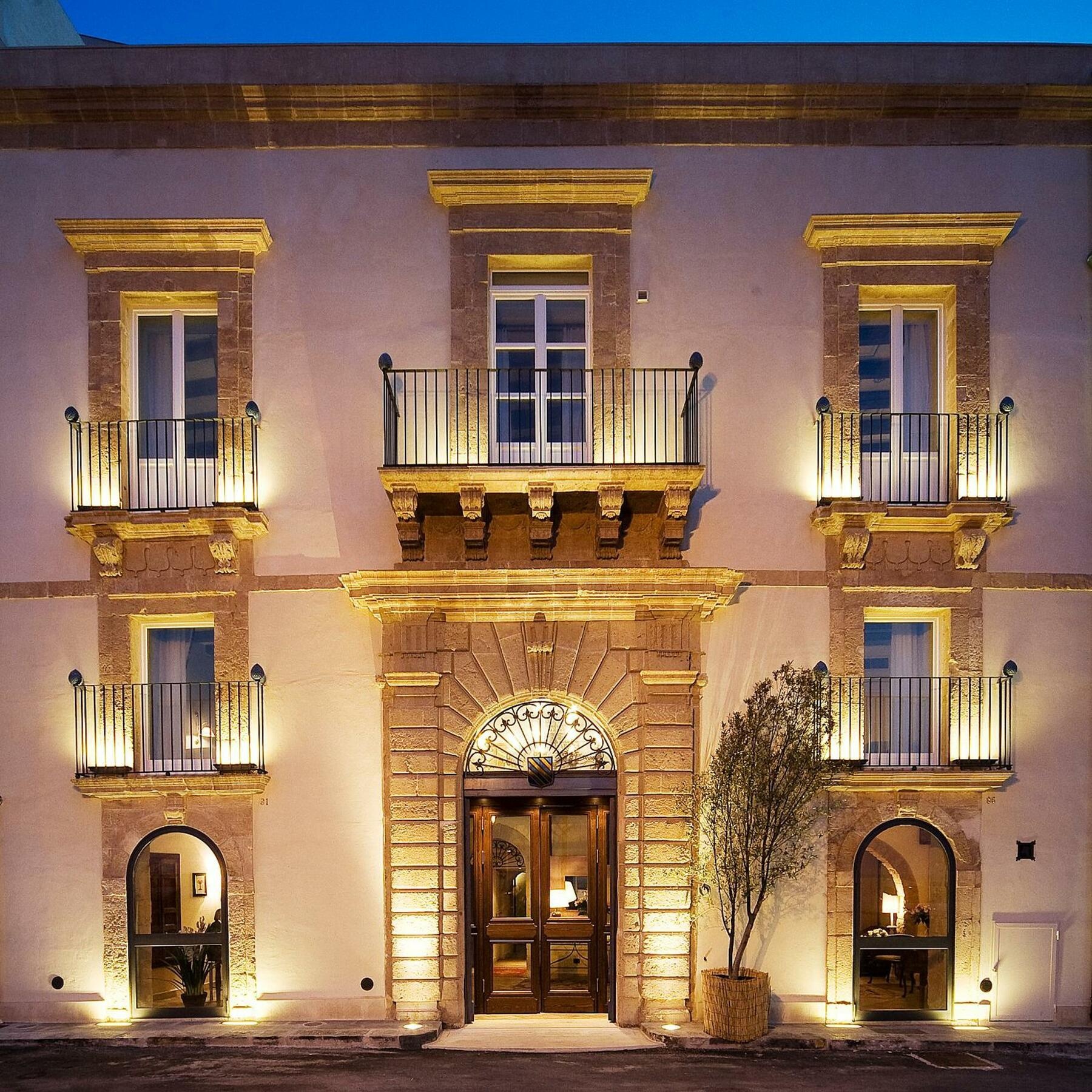
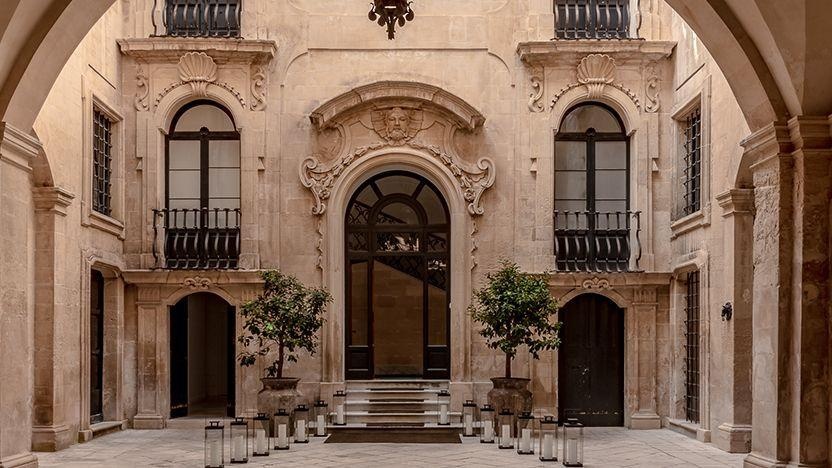
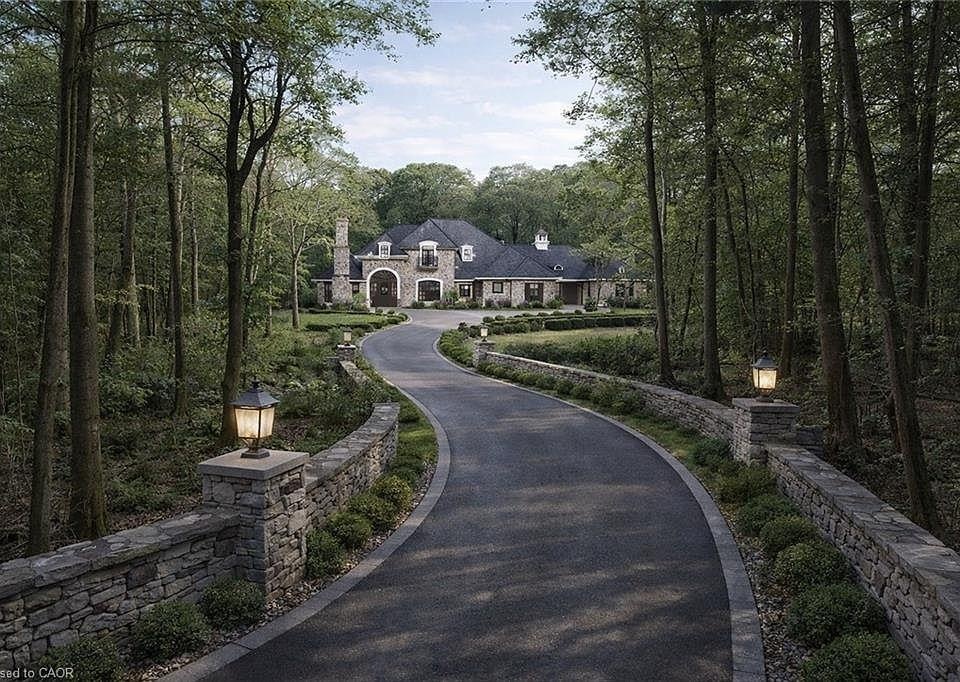
Historic residences, aristocratic palazzi, Mediterranean villas, rural estates and family properties of exceptional cultural identity can lose much of their appeal when they are placed in environments that homogenise them. In theory, many could attract international investors, hospitality operators or family offices interested in long-term enhancement. Yet a substantial number remain immobile for years or decades, suspended between complex successions, fragmented ownership and inheritance disputes that prevent heirs from developing a shared vision for the property.
This creates what might be called invisible property wealth: assets that formally exist but are effectively excluded from economic and cultural circulation. Europe — and Italy in particular — contains an extraordinary concentration of privately owned historic heritage. Yet the family and patrimonial nature of these assets can make contemporary management extremely difficult. Properties may be inherited by fragmented family groups spread across different countries, with divergent economic interests, cultural sensitivities and expectations.
The hidden cost of paralysis
In such circumstances, a property can cease to function as a shared identity or project and become the object of a legal problem and a source of conflict. The result is widespread patrimonial immobilisation: potentially extraordinary properties remain unused, underused or progressively deteriorate while retaining enormous cultural and economic potential. When a historic residence is blocked for years by inheritance disputes or decision-making paralysis, the damage is not limited to market value. Architectural maintenance, historical continuity and the economic function of the asset can all be compromised. Without a shared direction, abandonment and progressive deterioration become more likely.
Sophisticated investors, not speculators
These situations can nevertheless be interesting to sophisticated investors capable of reading value beyond the visible market. It is important to distinguish this from aggressive speculation or opportunistic acquisition of distressed assets. The most sophisticated heritage transactions require time, cultural sensitivity, relationship skills, legal and patrimonial competence, strategic vision and negotiating balance. International investors may not be looking for discounted properties at all, but for assets with a strong identity that can be brought back to life through cultural enhancement and long-term projects. The investor can become a catalyst for patrimonial reactivation rather than merely a buyer.
Where the off-market market really begins
Many of these opportunities do not originate in conventional property channels. They emerge within discreet professional ecosystems: lawyers, notaries, tax advisers, wealth advisers, trust consultants and other patrimonial professionals often encounter these situations long before there is any intention to market a property publicly. Heritage assets may gradually become potential opportunities during succession, division of estates, long-running disputes or the establishment of family trusts. The most sophisticated off-market environment therefore develops through highly selective networks of trust: the relationship often precedes the sale.
The return of meaningful property
In contemporary luxury, value increasingly comes from access to property with identity and cultural depth. Historic residences trapped in complex inheritances and prolonged conflicts are an extreme expression of this phenomenon: invisible assets waiting not simply for a buyer, but for a new interpretation. In an era of global property standardisation, the possibility of bringing a genuinely irreproducible asset back to life can carry economic, relational and generational significance.
Whisper Property note — A growing number of off-market property opportunities across Europe and the Mediterranean are handled privately through selected networks and confidential presentations.