Private Property Markets
The End of Mass-Market Luxury Real Estate: Why the Most Interesting Properties No Longer Reach the Portals
Major marketplaces have made real estate extraordinarily accessible and transparent, but this has produced a significant side effect: homogenisation.
20 January 2026 · 4 min read
From visibility to selection
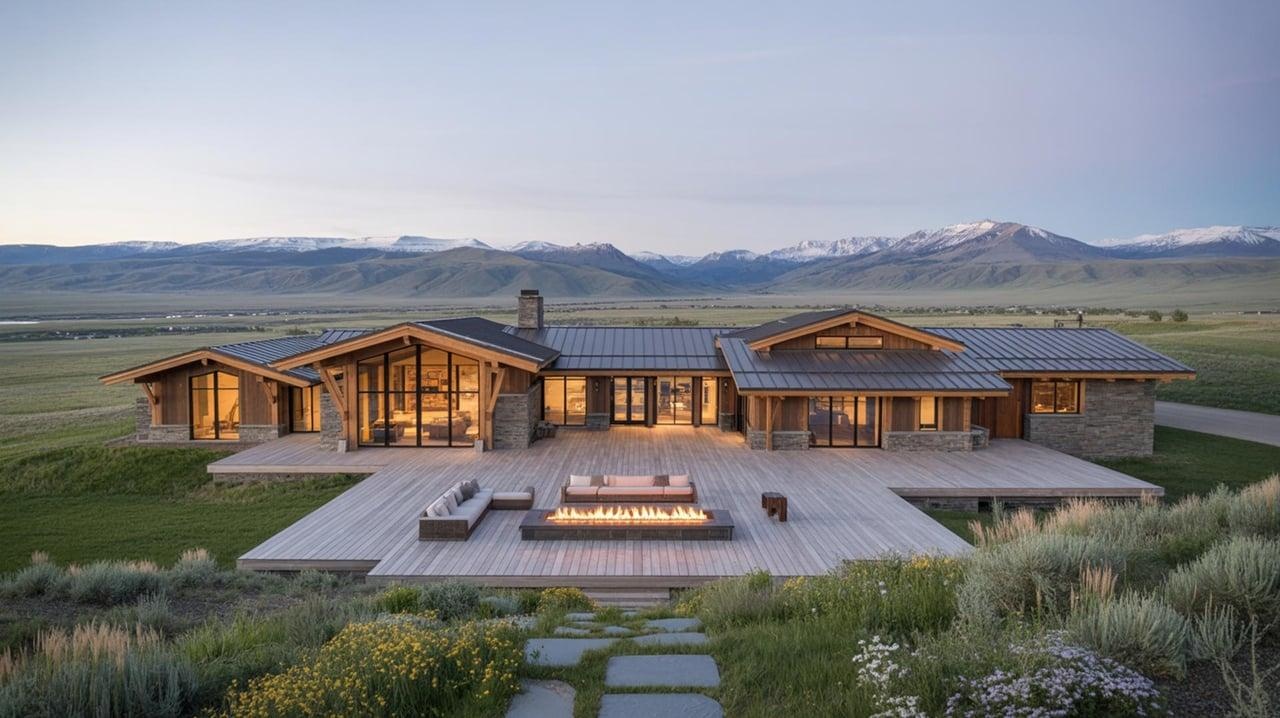
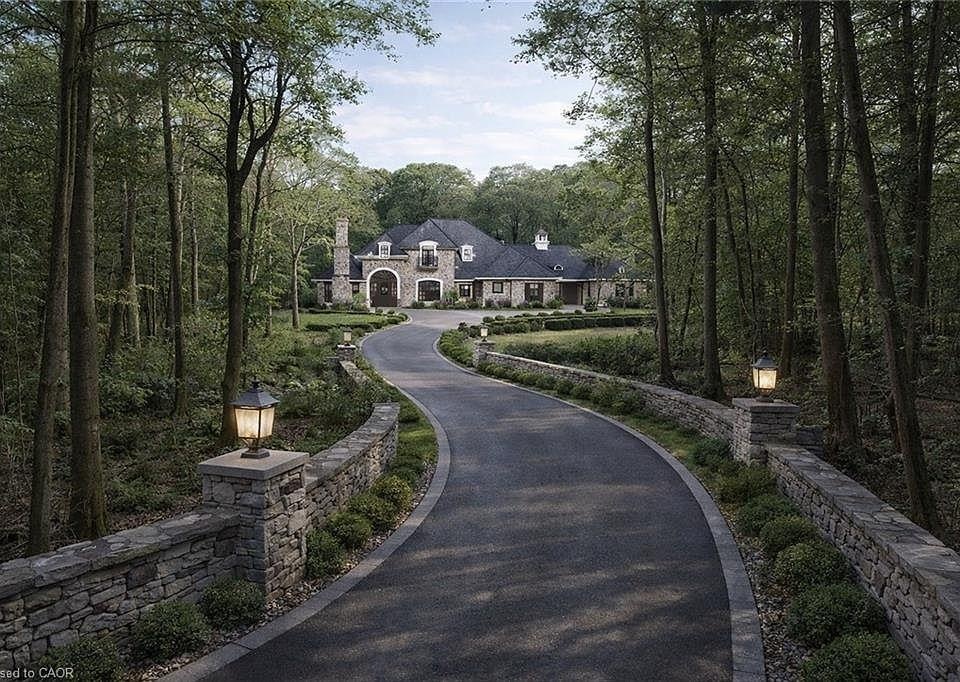
For more than a decade, the high-end property market followed the same trajectory as the consumer market: mass exposure, maximum visibility, simultaneous presence across dozens of platforms, perfectly optimised photography and a constant pursuit of digital traffic. The logic was simple: more views meant more chances of a sale. Today, however, in the premium and ultra-premium segments, this dynamic is slowly changing. The most interesting properties — those that are genuinely rare, distinctive and difficult to replicate — are progressively leaving the public market. Not because demand is lacking; quite the opposite. The concept of luxury itself is changing.
For many years, luxury property was associated with exposure: major portals, advertising campaigns, spectacular imagery and continuous online presence. In the meantime, a more sophisticated part of the market has begun moving in the opposite direction. Many owners of prestigious properties now prefer to avoid digital overexposure, restrict the circulation of information — also to protect privacy and reputation — and, above all, select the type of counterpart with whom they engage. In the trophy and heritage segments, discretion is therefore becoming a form of value. Not everything needs to be public, and not everything needs to be visible to everyone.
The property-portal paradox
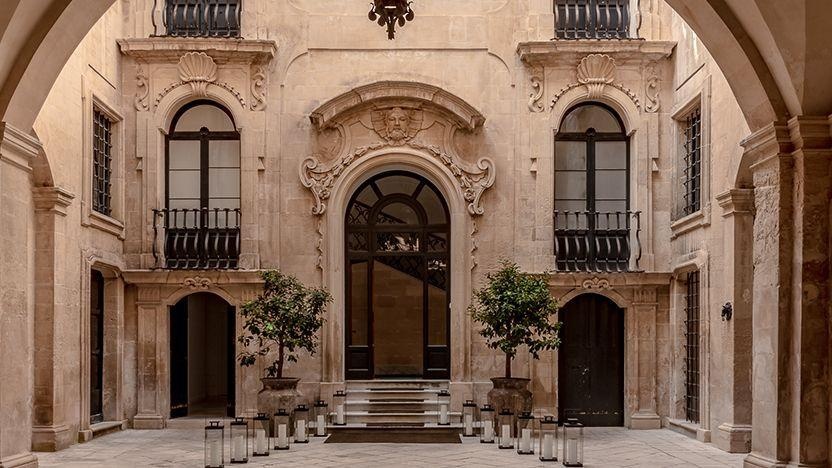
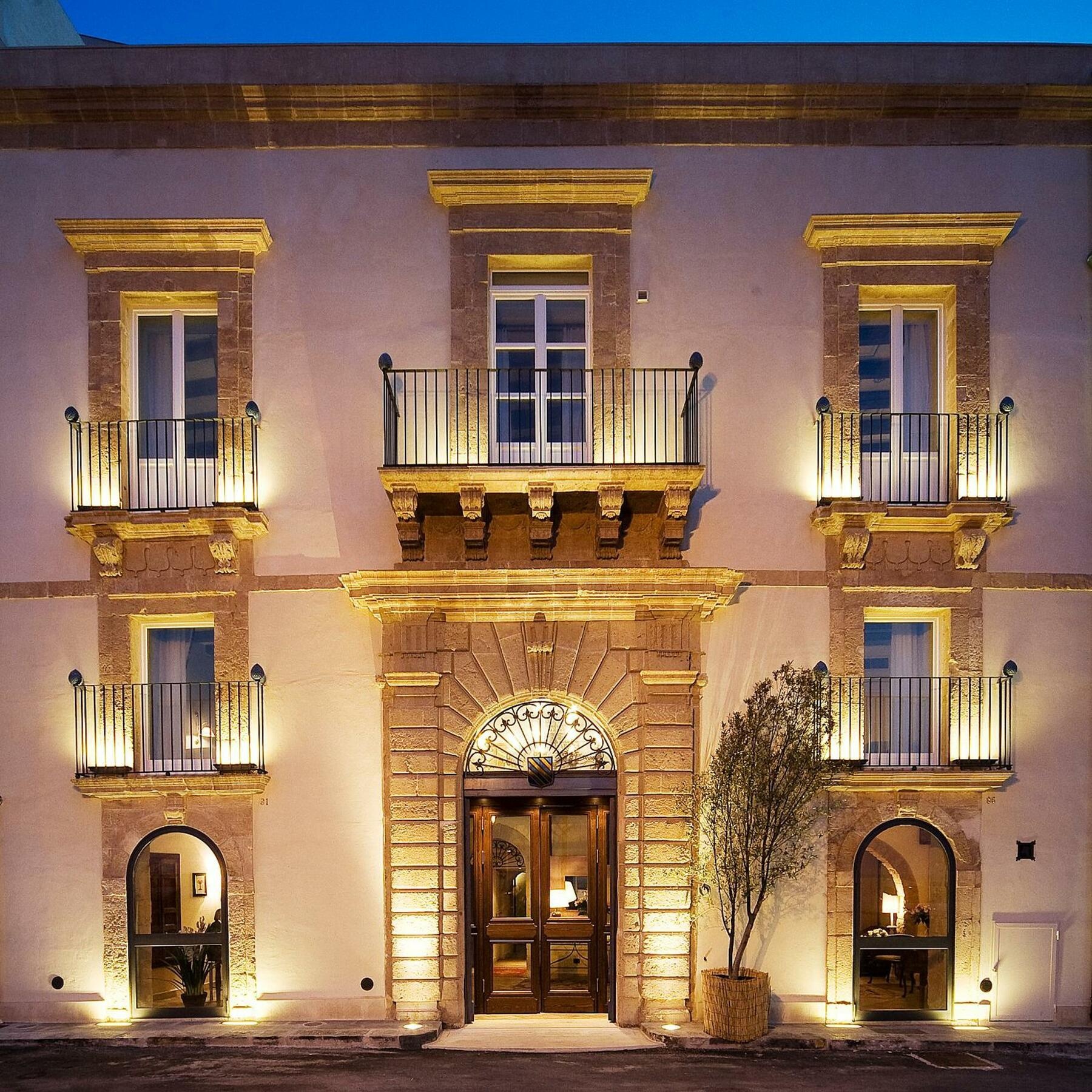
Large marketplaces have transformed real estate into an extremely accessible and transparent environment. This has increased the speed and liquidity of the market, but it has also generated a less obvious consequence: homogenisation. Within portals, very different properties often end up looking similar, subjected to the same search dynamics, filters, visibility rules and even the same commercial language. Uniqueness loses intensity when it is placed within a continuous flow of undifferentiated supply. A historic Mediterranean villa, an aristocratic palazzo with conversion potential or a rural estate suitable for hospitality inevitably shares the same digital ecosystem as far more ordinary properties. For some owners, this is a problem.
The new international demand: authenticity and identity
At the same time, the profile of the international buyer is changing. Alongside the traditional investor, a new category of purchaser is emerging: high-spending individuals who seek property not merely as a financial asset but as an extension of a particular idea of life. These buyers are not simply looking for luxury. They are looking for authenticity, a distinctive architectural identity, atmosphere, cultural heritage, singularity and rarity. This helps explain why the historic Mediterranean — Sicily, Puglia, Tuscany, less exposed coastlines, aristocratic residences and heritage properties — together with selected European countryside locations, is experiencing renewed international interest. In many cases, what attracts these buyers is not absolute perfection but the presence of a recognisable history and an unrepeatable character.
The return of the relationship-driven market
In the off-market segment, value does not arise solely from the property itself, but also from the quality of the relationship through which access becomes possible. Many transactions now take place through private networks or confidential introductions, sometimes through independent advisers and increasingly through international relationship networks. In these environments, the challenge is finding the point of entry into a more selective and discreet ecosystem, where access matters more than visibility.
Quiet luxury and silent wealth
In recent years, the idea of quiet luxury has influenced fashion, hospitality and design. The same phenomenon is progressively entering real estate. Luxury is becoming less about ostentation and more about lower exposure combined with greater perceived quality. In property, this translates into growing interest in non-advertised and off-market assets: historic buildings to be enhanced and residences with a strong territorial identity. The objective is not to identify merely expensive properties, but properties that are difficult to replace and difficult to source within a small, sophisticated and deliberately quiet market. By definition, an off-market environment will never be a mass market.
Its strength lies precisely in selection: fewer assets; less exposure; less noise; better-qualified relationships; slower processes; and greater mutual trust. For this reason, many of the most interesting properties will probably continue to remain outside the large public portals — not because demand is absent, but because in contemporary luxury discretion is once again becoming a prestigious and distinctive commodity.
Whisper Property note — A growing number of off-market property opportunities across Europe and the Mediterranean are handled privately through selected networks and confidential presentations.