
Architecture & Place
Mediterranean Heritage: Why International Investors Are Returning to Historic Residences
Mediterranean Heritage is gradually becoming a new category of international interest — not simply as a property phenomenon, but as a cultural response.
6 January 2026 · 3 min read
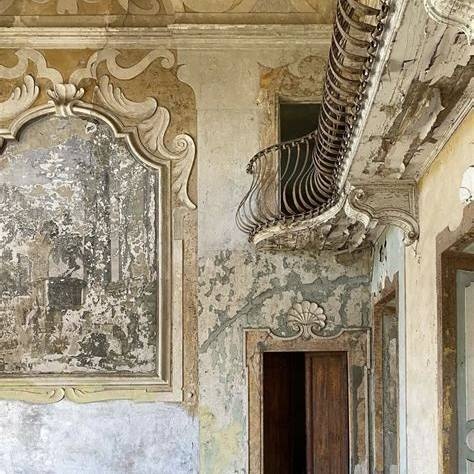
The end of standardised luxury
For many years, the international property market favoured a precise model of luxury: contemporary architecture, new construction, branded residences and high standards that could often be replicated anywhere in the world. Today something is changing. A growing share of international investors is shifting its attention towards properties with very different characteristics: historical identity, architectural uniqueness, connection with place and history, and therefore cultural value. It is no coincidence that the Mediterranean — with its historic residences, aristocratic palazzi, masserie, coastal homes and heritage buildings — is now at the centre of renewed international attention.
For more than a decade, global luxury real estate was dominated by a relatively uniform aesthetic: glass, international minimalism and neutral, interchangeable interiors. A high-end apartment in Dubai, Miami or Singapore could look surprisingly similar. A more sophisticated part of the market has begun to tire of this model. Excessive perfection has, in many cases, produced a loss of identity. This is precisely where Mediterranean heritage has regained value, through its powerful connection to local and regional identities.
The Mediterranean as a cultural experience
For many international investors, the Mediterranean is not simply a geographical destination. It is an experience made of light and history, set against timeless landscapes where slower rhythms of life merge with architecture and a sense of authenticity in an increasingly standardised world. Historic homes in Sicily, Puglia's masserie, aristocratic urban palazzi, remarkable coastal residences and small independent hospitality assets are attracting a new category of high-spending buyers who want to acquire a fragment of cultural context.
The emergence of the cultural buyer
Alongside the traditional investor, a different figure is emerging: the cultural buyer. These are individuals with substantial wealth who are not looking only for yield or social representation, but for a more sophisticated form of belonging. Many come from entrepreneurship, design, international finance, hospitality and the creative professions. They are often already familiar with the codes of global contemporary luxury and are beginning to seek something more private, less exposed and more distinctive. They may therefore be drawn to city residences with private courtyards, historic villas overlooking the sea, country houses with hospitality potential or aristocratic buildings capable of being sensitively repositioned.
Heritage and hospitality: a new balance
One of the most interesting aspects of this trend is the convergence between property heritage, experiential hospitality and Mediterranean lifestyle. Historic residences are increasingly reinterpreted not simply as private homes but as boutique hospitality assets, serviced private residences or hybrid properties combining hospitality and private living. Here, value comes not only from location or size but from the ability to offer an unrepeatable experience, in which atmosphere, authenticity and character become economic differentiators.
Why historic residences are becoming central again
Heritage properties possess qualities that contemporary development struggles to reproduce: historic volumes, authentic materials, internal courtyards and a deep connection with place. Their scarcity makes them increasingly attractive at a time when luxury is moving away from display and towards the selective search for rare, non-standardised assets.
The market for these properties remains largely invisible. A significant share of transactions continues to take place away from public channels because many owners prefer to avoid generalist portals and limit public exposure of potentially important transactions. They seek qualified counterparts and a high degree of discretion — precisely the qualities many international investors also require: private access, non-advertised opportunities, direct relationships and selective networks. The result is a progressively more sophisticated off-market market in which perceived value also arises from the quality of access. Mediterranean Heritage is therefore becoming a distinct category of international interest: not simply a real-estate phenomenon, but a cultural response.
Whisper Property note — A growing number of off-market property opportunities across Europe and the Mediterranean are handled privately through selected networks and confidential presentations.